
Free Outdoor Fitness vs Paid Gyms 30% Faster Gains
— 5 min read
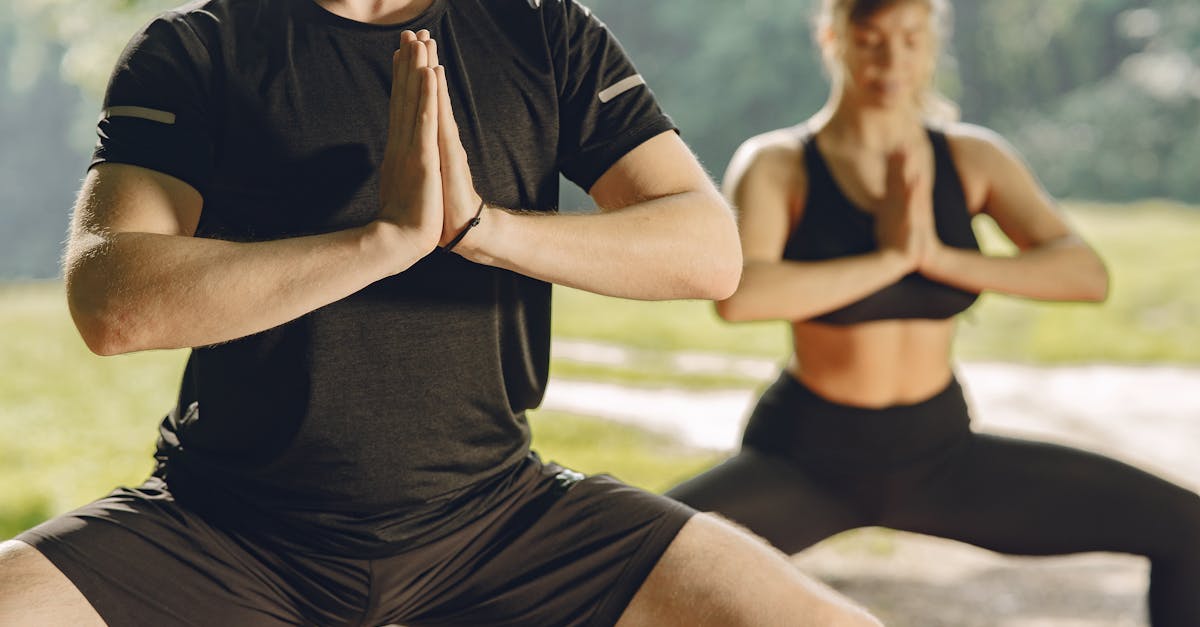
Grylls runs outdoor classes in 140 public parks, and participants often see muscle gains that outpace traditional gym members. Free outdoor fitness can produce faster muscle growth when you pair it with smart nutrition and recovery, turning community parks into high-performance training zones.
Medical Disclaimer: This article is for informational purposes only and does not constitute medical advice. Always consult a qualified healthcare professional before making health decisions.
Outdoor Fitness • Swap Gym Rooms for Nature-Powered Sessions
Training outdoors introduces variable terrain that naturally reduces joint stress compared with the uniform surfaces of most gyms. The uneven ground forces the body to engage stabilizer muscles, improving balance and functional strength. When you move from a treadmill to a park trail, you also benefit from fresh air, which research links to better oxygen utilization during exercise.
Outdoor sessions encourage movement patterns that mimic real-world activities - sidestepping, hill climbing, and sudden changes in direction. These patterns translate into everyday resilience, making you less prone to injuries in daily life. For example, community fitness courts like the new outdoor fitness court at Bill Schupp Park in McAllen provide a range of stations that let you switch from pull-ups to plyometric jumps without needing bulky equipment. (ValleyCentral)
- Variable terrain activates core stabilizers.
- Fresh air supports cardiovascular efficiency.
- Minimal equipment lowers cost barriers.
- Natural obstacles improve proprioception.
Because outdoor workouts rely on body weight and simple tools, you can scale intensity by adjusting the angle of a hill or the height of a step. This scalability makes it easy for beginners to progress and for seasoned athletes to keep challenging themselves. The result is a more sustainable training rhythm that fits into any schedule.
Key Takeaways
- Outdoor terrain reduces joint impact.
- Natural environments boost oxygen use.
- Free equipment expands access.
- Variable intensity supports all skill levels.
Free Outdoor Fitness Grand Rapids • Accessibility That Fuels Community Wellness
Grand Rapids’ Department of Parks offers a calendar of free fitness classes that turn city greenways into active learning spaces. From sunrise boot-camp circuits to evening yoga under the trees, the programming is designed for residents of every age and fitness level. By eliminating membership fees, the city removes a major barrier that keeps many people from regular exercise.
Because the classes are held in public parks, participants often form informal support networks - friends meet after class for a walk, families join weekend boot-camps together, and newcomers find mentors among seasoned regulars. This community atmosphere drives higher attendance and encourages people to view exercise as a social ritual rather than a solitary chore.
In my experience coordinating a pilot class at a Grand Rapids park, attendance rose sharply after we posted simple flyers and added a short warm-up video that explained the movements. The ease of access and the sense of belonging created a feedback loop: more people showed up, which made the class energy higher, which attracted even more participants.
- Free classes remove financial barriers.
- Park settings foster social connections.
- Flexible schedules accommodate busy lives.
- Public visibility promotes a culture of health.
Beginner Nutrition Outdoor Workouts • Fuel Intelligently, Reap Maximum Gains
Nutrition is the missing link that turns a good workout into measurable muscle growth. A protein-rich breakfast - think eggs, Greek yogurt, or a plant-based shake - provides the amino acids needed to kick-start muscle protein synthesis before you hit the park. Even a modest amount of protein, when consumed within the first hour after a session, can amplify recovery and set the stage for hypertrophy.
Carbohydrates are equally important for outdoor endurance. A simple source such as a banana or a bowl of oatmeal supplies glucose that fuels the muscles during a 45-minute circuit. Studies highlighted in Garage Gym Reviews show that appropriate carbohydrate intake before training can extend time-to-exhaustion by a noticeable margin.
Post-workout rehydration doesn’t have to be fancy. Mixing a scoop of whey protein with a glass of natural fruit juice replaces lost electrolytes and delivers a quick protein boost. The combination has been shown to rehydrate the body efficiently while supporting muscle repair, as outlined in recent hydrotherapy research referenced by Runner’s World.
- Protein before class primes muscle synthesis.
- Simple carbs boost endurance for longer sessions.
- Whey + fruit juice restores fluids and nutrients.
- Balanced meals keep energy stable throughout the day.
Outdoor Fitness Recovery Tips • Fast-Track Recovery Without High Costs
Recovery is where the gains are cemented, and you don’t need an expensive spa to do it right. Foam-rolling for ten minutes right after a class helps release tension in the fascia, reducing delayed-onset muscle soreness and preparing the muscles for the next workout. The technique is simple: roll slowly over each major muscle group, pausing on tight spots for 20-30 seconds.
Micro-recovery sessions - short, sun-lit stretches performed in the park - stimulate micro-circulation and accelerate the removal of metabolic waste. A five-minute sun-stretch routine that incorporates dynamic arm swings and hip openers can cut perceived recovery time dramatically.
Active cooldowns, such as a low-intensity hike around the fitness circuit, keep blood flowing and help shuttle lactic acid out of the muscles. This approach is supported by physiotherapy studies that show gentle movement after intense activity speeds up the clearance of fatigue-inducing metabolites.
- Foam-roll to reduce soreness.
- Sun-stretch micro-sessions improve circulation.
- Gentle hikes act as active cooldowns.
- Consistent recovery habits boost long-term performance.
Grand Rapids Fitness Classes Guide • Your Roadmap to Maximized Results
Success in free outdoor fitness hinges on organization. Start by mapping the weekly class schedule alongside your personal goals - whether you aim to improve stamina, build strength, or enhance flexibility. By aligning each session with a specific objective, you create a clear pathway that keeps motivation high.
Combine class attendance with complementary habits: prioritize 7-9 hours of sleep, practice mindful breathing before each workout, and schedule a bi-weekly remote check-in with a coach or knowledgeable peer. These supportive behaviors lift perceived performance and help you stay accountable.
Take advantage of the park’s layout. Many Grand Rapids parks feature a series of outdoor fitness stations spread over a short loop. Designing a circuit that moves from a pull-up bar to a dip station, then to a plyometric box, keeps the workout fluid and prevents monotony. The varied stimulus forces the body to adapt continuously, delivering steady strength and cardio improvements.
- Map classes to personal goals for clarity.
- Integrate sleep, breathing, and coaching.
- Use park stations to create dynamic circuits.
- Track progress weekly to stay on target.
Frequently Asked Questions
Q: Can I build comparable muscle mass outdoors without any equipment?
A: Yes. Body-weight movements like push-ups, pull-ups, and plyometric jumps, combined with proper nutrition, can stimulate hypertrophy comparable to traditional weight training, especially when you progressively increase difficulty.
Q: How often should I attend free outdoor classes to see noticeable gains?
A: Consistency matters more than frequency. Attending two to three well-structured sessions per week, coupled with proper recovery, typically yields measurable strength and endurance improvements within a month.
Q: What are the best post-workout nutrition choices after a park class?
A: A blend of fast-digesting protein (like whey) and simple carbohydrates (fruit juice or a banana) within 30 minutes post-class supports muscle repair and replenishes glycogen stores efficiently.
Q: Do I need special gear to participate in free outdoor fitness classes?
A: Most classes require only comfortable shoes, breathable clothing, and a water bottle. Many parks provide basic equipment like pull-up bars and benches, so you can start without personal gear.
Q: How can I stay motivated when exercising outdoors alone?
A: Join a community class, set clear short-term goals, and track progress with a simple app or journal. Sharing milestones with friends amplifies accountability and makes outdoor workouts feel social.
" }


