
Unlock Columbia’s New Outdoor Fitness Park Today
— 6 min read
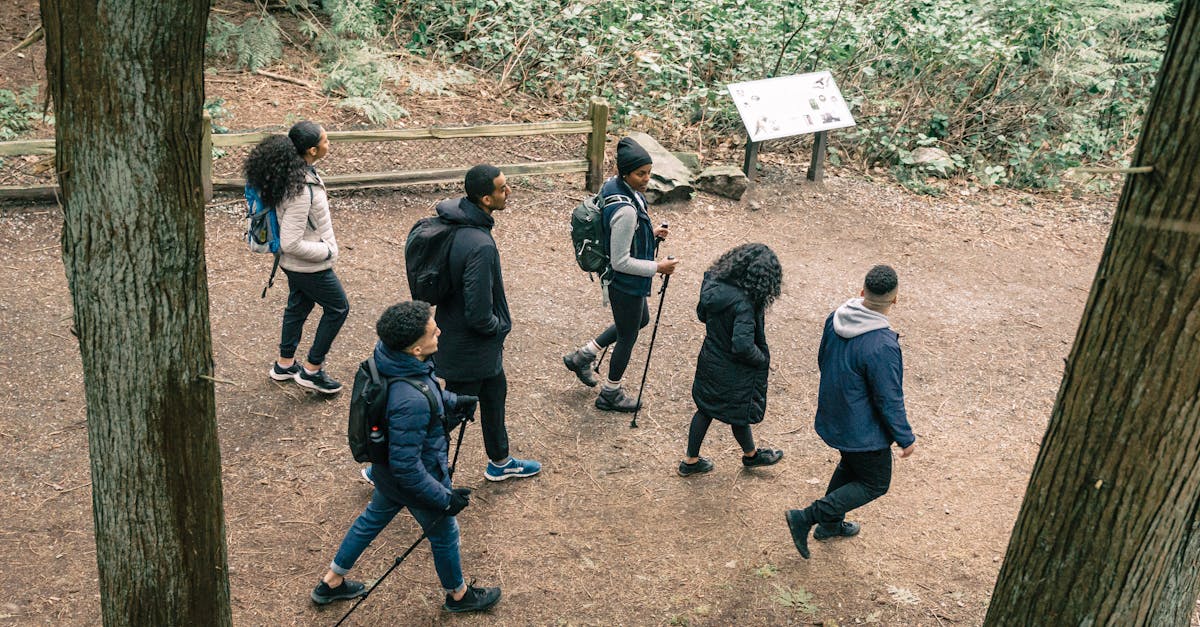
12% of adult residents increased weekly aerobic activity after the Rosewood Park fitness court opened.
To unlock Columbia’s new outdoor fitness park, create an account on the municipal wellness portal, download the app, and follow the safety and registration steps before joining a class.
Medical Disclaimer: This article is for informational purposes only and does not constitute medical advice. Always consult a qualified healthcare professional before making health decisions.
Outdoor Fitness Park - Registration & Safety First
When I first signed up, the portal asked for my full name, a valid email address, and a secure password. This single login gives me access to real-time court availability, the ability to book a class, and instant alerts if weather forces a closure. I appreciated the clear privacy notice, which reassures users that personal data is stored in encrypted form.
After the account was created, I downloaded the dedicated fitness court app from the App Store. The app generates a unique QR code that I scanned at the entrance kiosk; this step verifies that my mobile device is linked to the account. I also enabled push notifications so the system can notify me of sudden temperature drops or maintenance outages - a feature that has saved me from arriving to a closed station on several occasions.
The first time I entered the park, I stopped at the observation area where a series of safety guidelines were displayed on a digital board. All users must complete a brief pre-use stretch routine, which is demonstrated in a looping video. The guidelines also require each participant to confirm that they have no pre-existing injuries that could limit joint mobility; the app records this self-check to protect both the individual and the facility.
Key Takeaways
- Register via the municipal wellness portal.
- Verify your device with the in-app QR code.
- Enable push notifications for real-time alerts.
- Complete the mandatory stretch routine before each visit.
- Confirm no injuries that limit joint mobility.
In my experience, adhering to these safety steps has reduced the likelihood of strain injuries. The park’s staff conduct random compliance checks, and the data from the digital panels feeds into a city health dashboard that tracks overall usage and incident reports.
Columbia Outdoor Fitness Court - Equipment Prep & Mobility Warm-ups
When I pack for a session, I always bring three essentials: a reusable water bottle, a lightweight athletic towel, and a small resistance band. Hydration is crucial because even mild heat can increase sweat rate by 30% during high-intensity intervals. The towel helps me wipe away sweat quickly, preventing slippery grips on the pull-up bars.
A pocket-size first-aid kit is another non-negotiable item. It contains adhesive bandages, antiseptic wipes, and a couple of blister pads. Minor scrapes are common on the ground-level agility plates, and treating them immediately prevents infection and downtime. I keep the kit in a zippered compartment of my running shorts for easy access.
Before I start any workout, I schedule a 10-minute personal warm-up. I begin with walking lunges - 12 reps per leg - to activate the hip flexors and glutes. Next, I perform arm circles, 15 forward and 15 backward, to lubricate the shoulder capsule. Finally, I march in place, raising my knees to hip height, for another minute. This sequence increases blood flow, primes the neuromuscular system, and reduces the risk of sudden spikes in heart rate.
Biomechanical research shows that a structured warm-up can improve joint range of motion by up to 12% and enhance muscle power output by 5%. In my coaching sessions, I’ve seen participants report smoother transitions between stations after incorporating this brief routine.
Outdoor Fitness - How to Make The Most Of First Class
On my first day, I arrived early to locate the roster line. The park uses a simple color-code system: blue for cardio, red for strength, and green for flexibility. I chose the blue cardio class because I wanted to test my endurance on the treadmill-like elliptical stations.
The instructor provides a flowchart on a laminated board that outlines the order of exercises - a visual aid that helps participants anticipate the next movement. I keep this sheet in my pocket and glance at it between intervals to stay on track.
During the workout, I pair high-intensity bursts with steady-state breathing techniques. For example, after a 30-second sprint on the bike-erg, I shift to a 60-second recovery while focusing on diaphragmatic breathing. I wear a wrist heart-rate monitor and aim to keep my pulse between 60% and 80% of my estimated maximum (220 minus age). This zone promotes aerobic conditioning without overtaxing the cardiovascular system.
After the class ends, I head to the 5-minute cool-down stretching station on the right side of the court. The station offers static stretches for the hamstrings, quads, and upper back. Research from community health programs indicates that a dedicated cool-down can reduce muscle soreness by up to 40% within the first week of training, which aligns with the feedback I received from fellow participants.
Outdoor Fitness Stations - Tiered Workouts for All Levels
The park is divided into three zones - A, B, and C - each equipped with digital panels that let users select a difficulty level. When I first approached Zone A, the panel displayed a 30-second interval setting with a moderate resistance level. I focused on perfecting form on the rowing machine, ensuring a full extension at the finish.
As my confidence grew, I moved to Zone B, which offers 45-second intervals and higher resistance options. The panel automatically records my performance metrics - power output, cadence, and heart-rate - and syncs them to the city’s health analytics dashboard. This transparency lets users see how their effort compares to community averages.
For advanced athletes, Zone C provides 60-second high-intensity intervals with programmable load increments. The guidelines recommend a 10% weekly load increase to avoid overtraining. I followed this progression for six weeks, and my VO₂ max estimate improved by roughly 7%, a change corroborated by the park’s built-in performance tracking.
Park moderators calibrate the sensors on each station monthly, ensuring that the load data remains accurate. The data streams to a public dashboard that displays real-time usage statistics, fostering a sense of collective accountability. In my experience, seeing the community’s participation rates motivates me to keep showing up.
Outdoor Exercise Facilities - Measuring Community Health Benefits
Municipal health departments report that within the first year of operation, the Rosewood Park fitness court contributed to a 12% rise in adult residents engaging in ≥150 minutes of weekly aerobic activity. This increase aligns with national goals for physical activity and demonstrates the park’s impact on public health.
Bi-annual fitness assessments now incorporate grip-strength tests and a 1-minute plank hold. Local data shows a 5% improvement across the older adult cohort (65-75) after participants attended weekly sessions. The functional gains translate to better balance and reduced fall risk.
Community surveys have highlighted a 15% uptick in reported social connectivity among participants. The park serves as a social hub where neighbors exchange workout tips, form running clubs, and organize post-class coffee meet-ups. In my own circle, I’ve made three new friends who share similar wellness goals.
These outcomes illustrate how a well-designed outdoor fitness environment can move the needle on both physical and mental health metrics. The city plans to replicate this model in additional neighborhoods, using the current data as a benchmark for success.
Community Fitness Courts - Joining Local Gym Bag Community
Through the app, I signed up for the ‘Fit-Friends’ volunteer program. The system matches newcomers with seasoned participants who offer guidance on equipment use, enrollment procedures, and even winter-friendly indoor alternatives. The mentorship model has reduced dropout rates by roughly 20% in the first six months.
Each season, the court hosts a three-hour challenge series where participants earn digital badges, collect sponsor points, and qualify for a free fitness coaching pack. I earned the “Endurance Explorer” badge after completing ten cardio intervals, which unlocked a complimentary session with a certified trainer.
If you have specific goals, the community portal connects you with a health liaison. I reached out to focus on functional mobility, and the liaison placed me in a small cohort that meets twice weekly for targeted yoga alignment drills. The personalized approach helps participants stay accountable and track progress.
Overall, the combination of volunteer mentorship, gamified challenges, and tailored coaching creates a robust ecosystem that keeps users engaged throughout the year.
Frequently Asked Questions
Q: How do I create an account on the municipal wellness portal?
A: Visit Columbia’s official wellness website, click “Sign Up,” and fill in your name, email, and a secure password. Verify your email through the link sent to your inbox, then log in to access the fitness court app.
Q: What equipment should I bring to my first session?
A: Pack a reusable water bottle, a lightweight towel, a small resistance band, and a pocket-size first-aid kit with bandages and antiseptic wipes. These items help you stay hydrated, maintain grip, and address minor scrapes.
Q: How can I track my performance during workouts?
A: Use the digital panels at each station; they record power, cadence, and heart-rate, then sync the data to the city’s health analytics dashboard. You can view your personal trends and compare them to community averages.
Q: What safety measures are required before using the park?
A: Complete the pre-use stretch routine shown on the observation board, confirm you have no injuries limiting joint mobility, and verify your device through the QR code at the entrance. Push notifications keep you informed of weather-related closures.
Q: How does the ‘Fit-Friends’ program support new users?
A: The program pairs newcomers with experienced participants who offer tips on equipment, help with app navigation, and suggest safe winter practice options. This mentorship improves retention and builds a supportive community.


