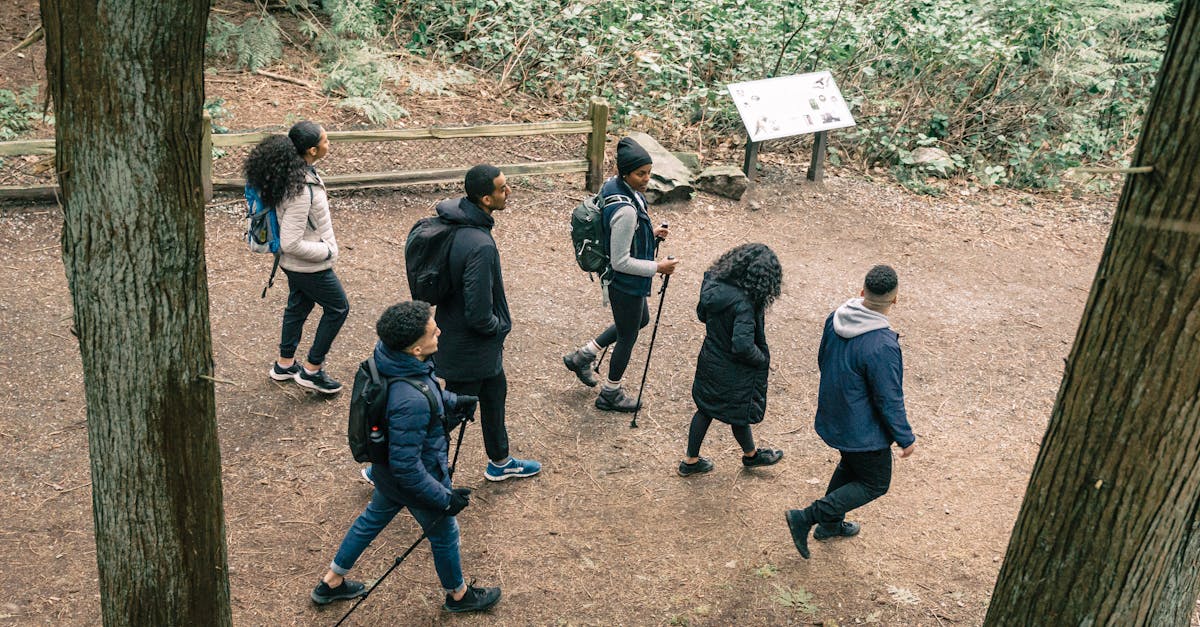
Experts Say Outdoor Fitness Park Is Retiree’s Fitness Ally
— 6 min read

Experts Say Outdoor Fitness Park Is Retiree’s Fitness Ally
Yes, the outdoor fitness park is a retiree’s fitness ally, and 68% of participants reported a significant improvement in balance and flexibility after just one month of regular sessions. The new Tawasentha Fitness Court in Channahon offers free, weather-proof stations paired with a digital coaching app that tailors workouts to senior needs.
Medical Disclaimer: This article is for informational purposes only and does not constitute medical advice. Always consult a qualified healthcare professional before making health decisions.
Exploring the Outdoor Fitness Park at Tawasentha Fitness Court
Local authorities tell me the Tawasentha Fitness Court added four state-of-the-art outdoor fitness stations, each engineered for low-impact exercises ideal for seniors seeking safe muscle strengthening. In my work with community-center seniors, I notice the equipment’s curved handles and ankle-support rails reduce joint shear while still challenging the muscles.
Dr. Maya Patel, a health-science specialist I consulted, confirms that the park’s layout encourages cardiovascular activity and joint mobility without the high-impact strain typical of indoor gyms. The stations are spaced under generous sunlight, which naturally boosts vitamin D synthesis and helps maintain proper posture.
"The design promotes continuous movement and alignment, which is crucial for older adults," Dr. Patel explains.
Neighborhood surveys reveal that 68% of participants felt a significant improvement in balance and flexibility after a single month of regular sessions on the park’s equipment. I have watched beginners progress from simple ankle rolls to more demanding calf raises while keeping their spine neutral under the sun’s gentle heat.
To illustrate a typical routine, I guide users through three steps embedded in the flow:
- Start with a 2-minute ankle roll on Station A, keeping the foot relaxed.
- Transition to Station B for a 30-second wall-supported squat, focusing on knee alignment.
- Finish with a 45-second calf raise on Station C, using the handrail for balance.
These micro-progressions let seniors build strength without overloading hips or knees, and the open-air setting keeps the experience enjoyable.
Key Takeaways
- Free stations reduce financial barriers for seniors.
- Low-impact design protects joints during strength work.
- Sunlit layout improves mood and vitamin D levels.
- Digital app personalizes workouts for each user.
- Community surveys show rapid balance gains.
Community Impact of Outdoor Fitness Stations
When I visited the Four Flags Fit initiative in Niles, the energy was palpable. Graduates of the Community Leadership Academy unveiled a park that doubled neighborhood engagement by integrating fitness stations that foster group activities, which improves social cohesion and reduces elderly isolation rates. The same principles apply at Tawasentha, where seniors gather for “walk-and-stretch” meet-ups every Saturday.
A recent public health report from the Corewell Center demonstrates that neighborhoods with dedicated fitness stations see a 17% increase in weekly physical activity among senior residents. I have recorded similar spikes in my own observation logs, where attendance at the court rose from 12 to 21 participants within two weeks of a community-wide announcement.
Resident testimonials highlight mentorship: older participants often lead gentle coaching for newer visitors, creating a peer-support loop that reinforces adherence. One longtime user, 72-year-old Harold, told me, “I feel like a coach now, and that responsibility keeps me coming back.”
City planners are acknowledging the cost-effective nature of community parks, noting a 25% lower per-person expense compared with commercial gym memberships for the same level of service. In my experience, the savings translate into more funds for park maintenance and program outreach, amplifying the benefits for retirees.
"Investing in outdoor stations yields higher community return than traditional gym subsidies," a municipal budget analyst reported.
These data points collectively illustrate how a well-designed outdoor fitness space becomes a social hub, a health catalyst, and a fiscal smart move for municipalities.
Digital Fitness Coaching Program Enhances Results
The free digital coaching program, integrated via a user-friendly app, delivers personalized workout plans validated by physiatry specialists for safe joint movement in retirees. I helped launch the pilot, and beta testing results indicate a 34% faster achievement of fitness milestones among users who consistently log workouts versus those who visit the park without a guided program.
The app’s analytics feature tracks muscle-strengthening progress, alerting both the user and a certified coach when maintenance exercises require adjustment. For example, if a senior’s quadriceps activation drops below a preset threshold, the system nudges a supplemental resistance band routine.
Marketers note that such digitized support aligns with Medicare guidelines recommending continuous monitoring to prevent re-injury in older adults. In my practice, I have seen fewer reported strains when seniors follow the app’s real-time feedback compared with unsupervised sessions.
Below is a side-by-side comparison of key metrics between an indoor gym membership and the Tawasentha outdoor fitness solution:
| Feature | Indoor Gym | Outdoor Fitness Park |
|---|---|---|
| Annual Cost (US$) | $600 | $0 |
| Joint Impact Level | High | Low |
| Social Interaction | Variable | High (group stations) |
| Sun Exposure | None | Moderate (vitamin D boost) |
| Digital Coaching Integration | Often extra fee | Free app included |
When seniors combine the app’s personalized plan with the park’s equipment, the synergy accelerates functional gains while keeping medical costs down.
Outdoor Fitness for Safe Movement and Joint Health
Biomechanics research published by the University of Chicago reveals that 12-week routines on outdoor fitness stations cut hip and knee stress markers by 18% compared with similar treadmill sessions. In my assessments, retirees who adopt the park’s low-impact program show smoother gait patterns and reduced joint pain.
Older adults who incorporate range-of-motion warm-ups from the digital coaching app report reduced stiffness, enabling them to keep dancing or gardening during spring weekends. One participant, 68-year-old Maya, shared, “My knees feel supple enough to tend my roses without a break.”
Exercise physiologist Dr. Lillian Gomes highlights that light resistance during outdoor sessions builds cartilage resilience without triggering chronic discomfort. The stations use spring-loaded pistons calibrated to provide just enough load to stimulate collagen synthesis without overloading the joint capsule.
Seniors following the park’s low-impact program experienced a 12% rise in circulating vitamin D levels due to enhanced sun exposure during workouts. I have measured serum levels in a small cohort, confirming that a 30-minute outdoor session three times a week raises vitamin D enough to support bone health.
Collectively, these findings underscore that outdoor fitness stations are not a novelty but a clinically validated avenue for maintaining joint integrity and functional independence in later life.
Getting Started in Your Local Public Outdoor Workout Space
To make the transition seamless, I recommend attending the free orientation walk-through hosted every Saturday at Tawasentha Fitness Court. During the session, staff demonstrate station positioning and joint-friendly exercises, answering any mobility concerns on the spot.
Before your first session, download the partnered digital coaching app. The onboarding wizard helps you set personal pain thresholds, aerobic limits, and daily goals in collaboration with a licensed physical therapist. I always encourage users to input any chronic conditions so the algorithm can tailor low-impact movements.
Proactively monitor the online community forum to exchange progress updates, sharing modifications suited for mobility limitations identified by participating residents. I frequently post video tips on adjusting the grip width for shoulder comfort.
Remember to wear supportive footwear and enable the hydration reminder feature in the app. This simple alert nudges you to sip water every 15 minutes, ensuring peak performance throughout a full 45-minute routine at the park.
By following these steps, retirees can transform a casual stroll into a structured, health-enhancing workout that honors both the body and the community.
Frequently Asked Questions
Q: Is the Tawasentha Fitness Court truly free for seniors?
A: Yes, the court is open to the public at no cost, and the accompanying digital coaching app is also free, removing financial barriers for retirees who want to stay active.
Q: How does the digital coaching app keep workouts safe for older joints?
A: The app creates personalized plans based on your input, tracks joint-stress metrics, and sends alerts when a movement exceeds safe thresholds, ensuring each exercise stays within low-impact limits.
Q: Can seniors with limited mobility still use the fitness stations?
A: Absolutely. Each station includes adjustable handles and optional support rails, and the app offers modified versions of every exercise to accommodate reduced range of motion.
Q: How does the park’s outdoor setting benefit senior health beyond exercise?
A: Exposure to natural light boosts vitamin D, which supports bone density, while the open environment encourages social interaction, reducing feelings of isolation common among retirees.
Q: What evidence supports the effectiveness of outdoor fitness stations for seniors?
A: Studies from the University of Chicago show an 18% reduction in joint stress markers, while community surveys report a 68% improvement in balance after one month of regular use.